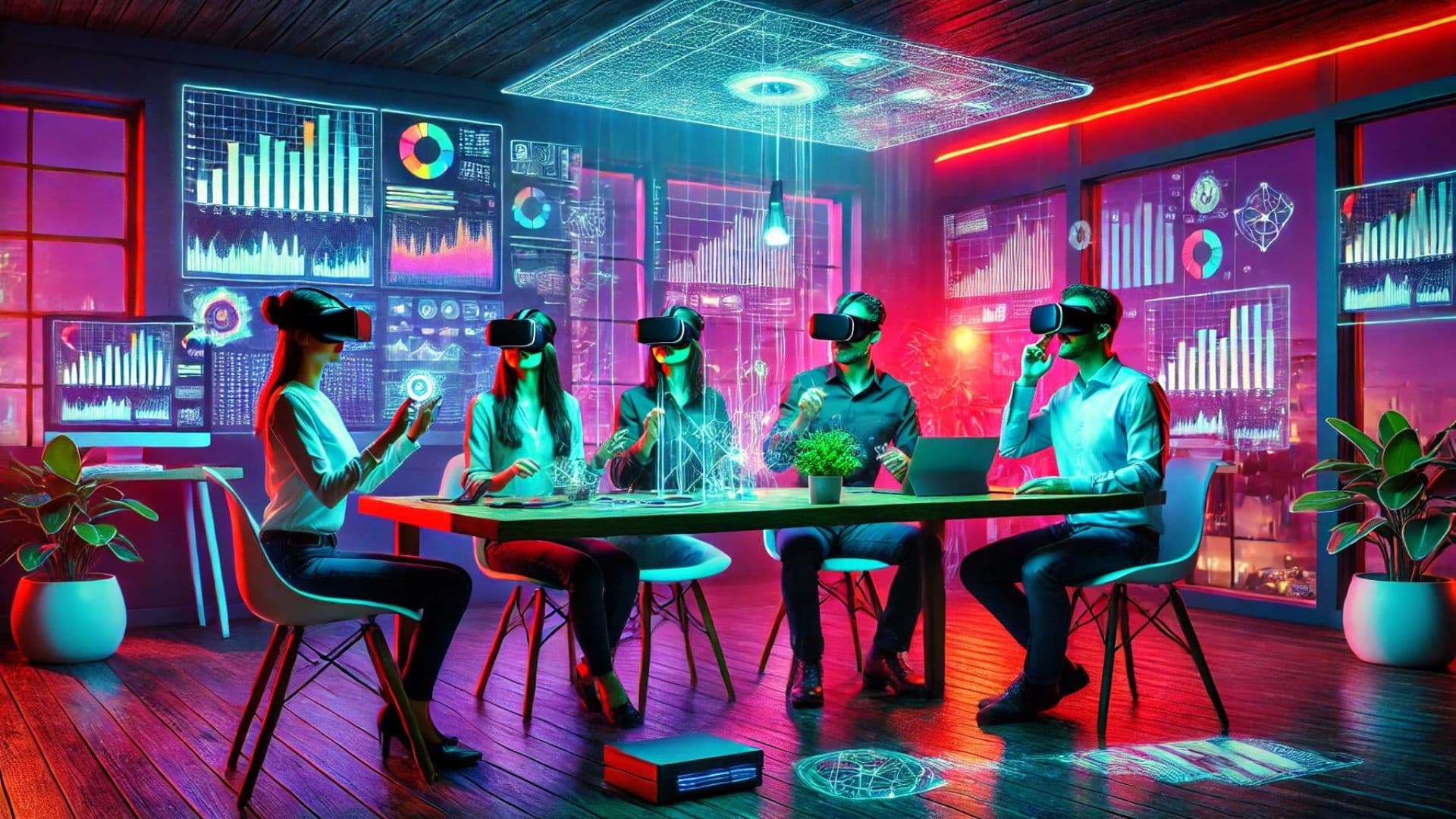
Social VR: Connecting Beyond the Physical Realm
The digital landscape is undergoing a profound transformation, heralding a new era of interaction through Social Virtual Reality (VR). This...
The digital landscape is undergoing a profound transformation, heralding a new era of interaction through Social Virtual Reality (VR). This innovative technology transcends traditional online communication, allowing users to engage in immersive virtual environments that replicate real-world experiences. Unlike conventional social media platforms or online chatrooms, Social VR offers a multisensory engagement that significantly enhances the depth and quality of human interactions.
Social VR is more than just a technological novelty; it represents a fundamental shift in how we connect with others. By creating shared virtual spaces, Social VR bridges geographical gaps and fosters genuine social connections. This is particularly relevant in a world increasingly defined by remote work and digital nomadism, where physical proximity is often a luxury. Social VR provides a unique opportunity to maintain and cultivate relationships, offering a semblance of physical presence in a digital format.
The Development of Social Interactions in Virtual Reality
From Text to Touch: The Evolution from Online Chatrooms to VR Environments
The evolution of digital socialization from text-based communication to immersive VR interactions represents a transformative shift in how people connect and interact online. Initially, early internet chatrooms offered a basic text-only platform for communication, which later expanded to include multimedia messaging and video calls, enriching the communicative experience with visuals and real-time interactions.
The advent of VR technology introduces a new paradigm by creating simulated physical spaces where users can interact in a more immersive and lifelike manner. This progression parallels the transition from reading a script in a play to performing on stage, where non-verbal cues, gestures, and environmental context become integral aspects of communication. In VR environments, users can engage more authentically through avatar movements, spatial awareness, and real-time interactions, which mimic face-to-face communication more closely than ever before.
This evolution signifies a broader trend towards enhancing digital socialization with richer sensory experiences and deeper interpersonal connections. As VR technology continues to advance, its potential to redefine how people communicate, collaborate, and socialize in virtual spaces holds promise for transforming online interactions into more immersive and engaging experiences akin to real-world interactions.
Enhanced Human Connection Through Immersive Social Experiences in VR
VR's capacity to generate immersive social experiences stands as its most captivating attribute. By simulating real-world environments and interactions, VR elevates the sense of presence and engagement to unprecedented levels. Users can participate in diverse activities, from attending live concerts and exploring virtual museums to casually socializing in simulated settings like virtual coffee shops. These experiences transcend mere visual richness; they evoke emotional resonance, facilitating deeper connections and more meaningful interactions among participants.
The immersive nature of VR allows individuals to interact with others and their surroundings in ways that mimic physical presence. Whether sharing experiences, collaborating on projects, or simply conversing, users benefit from the enhanced realism that VR environments provide. This heightened level of engagement fosters a sense of community and belonging, enabling people to connect on a deeper level regardless of geographical distances. As VR technology continues to evolve, its potential to redefine social interaction by offering realistic and emotionally fulfilling experiences remains a promising frontier in digital communication and socialization.
Understanding 'Presence': The Psychological Experience of Being in Virtual Worlds
In virtual reality (VR), the concept of "presence" refers to the psychological phenomenon of feeling physically present within a simulated environment. This immersive sensation is cultivated through a blend of factors including visual realism, spatial audio cues, and interactive elements that mimic real-world physics. Achieving a strong sense of presence is pivotal for fostering effective social interactions in VR, as it creates a compelling illusion of coexisting in the same space as others.
The combination of realistic visuals, where environments and avatars are rendered with detail and fidelity, and spatial audio that accurately replicates sound direction and distance, contributes to a heightened sense of immersion. Interactive elements, such as responsive physics and intuitive controls, further reinforce this feeling of being physically situated in a virtual world. This immersive environment enhances the spontaneity and naturalness of communication, allowing users to engage in conversations, activities, and collaborations as if they were interacting face-to-face.
Ultimately, by engendering a strong sense of presence, VR technology enriches social experiences by transcending physical distances and providing a platform for meaningful interactions. As VR continues to advance, refining these elements will be crucial in further enhancing the realism and effectiveness of social interactions within virtual environments.
Virtual Communities: Forging Connections Across Boundaries
Establishing Virtual Neighborhoods: How VR Communities Are Formed
VR communities are the digital equivalent of neighborhoods, where individuals can gather, interact, and build relationships. These communities can be centered around shared interests, hobbies, or professional pursuits. The formation of VR communities often mirrors real-world social dynamics, with users creating and managing virtual spaces that reflect their personalities and preferences. These virtual neighborhoods provide a sense of belonging and community, transcending the limitations of physical distance.
Promoting Diversity and Inclusion: Uniting Global Audiences
One of the standout benefits of Social VR lies in its capacity to unite diverse and inclusive audiences from across the globe. By eradicating geographical constraints, VR empowers individuals from varied cultures, backgrounds, and life experiences to come together and collaborate. This inclusiveness cultivates a more enriched and diverse social environment, fostering greater mutual understanding and empathy among users.
In virtual spaces, people can interact and engage regardless of physical location, facilitating a melting pot of ideas and perspectives. This dynamic exchange fuels creativity and innovation as individuals contribute unique insights and approaches shaped by their distinct cultural and personal contexts. Moreover, Social VR platforms provide opportunities for cultural exchange and cross-cultural learning, where users can explore different traditions, languages, and viewpoints firsthand.
Ultimately, Social VR transcends boundaries to create a global community where individuals can connect authentically, share knowledge, and build meaningful relationships. By promoting inclusivity and diversity, these platforms contribute to a more interconnected world, where collaboration and understanding thrive in virtual realms that reflect the richness and diversity of human experiences.
Examples of Successful VR Communities and Their Influence
Several VR communities, exemplified by platforms like VRChat and AltspaceVR, showcase the transformative impact of Social VR. These platforms have attracted vibrant user communities by offering a range of interactive experiences, from casual social gatherings to educational workshops and virtual conferences. Beyond facilitating social interaction, these communities serve as hubs for personal and professional development.
VRChat, for instance, has become renowned for its user-generated content and customizable avatars, allowing users to express themselves creatively and engage in diverse social activities. Meanwhile, AltspaceVR has hosted virtual events featuring renowned speakers, live performances, and collaborative projects, fostering a rich environment for learning and cultural exchange.
By examining these successful case studies, we observe how VR communities are redefining social dynamics and enhancing users' lives. These platforms transcend traditional online interactions by providing immersive environments where individuals can connect authentically, share knowledge, and forge meaningful relationships regardless of physical distance. Moreover, the accessibility and inclusivity of Social VR enable diverse audiences to participate in global conversations, driving innovation and fostering a sense of community on a global scale.

VR Chatrooms: The Emergence of Modern Social Hubs
From Forums to Avatars: The Evolution of Online Social Interaction
The shift from traditional online forums to VR chatrooms represents a significant evolution in social interaction paradigms. In forums, communication primarily revolves around text-based posts, limiting interactions to written exchanges. In contrast, modern VR chatrooms enable real-time interactions through customizable avatars, which serve as digital representations of users in virtual environments. This transition introduces a more immersive and dynamic social experience by incorporating visual and spatial elements.
Avatars in VR chatrooms allow users to express themselves through personalized digital identities, enhancing the authenticity and engagement of interactions. These avatars can be customized to reflect individual preferences, from appearance and clothing to mannerisms and gestures, thereby adding a personal touch to virtual engagements. This personalization not only facilitates more expressive communication but also fosters a sense of presence and social immersion as users navigate and interact within virtual spaces.
Distinctive Elements and Innovations: The Unique Aspects of VR Chatrooms
VR chatrooms are distinguished by several innovative features that set them apart from other online social platforms. These include spatial audio, which provides a more realistic auditory experience, and haptic feedback, which allows users to feel virtual objects and interactions. Additionally, VR chatrooms often incorporate interactive environments, games, and activities that facilitate socialization and collaboration. These features collectively create a more immersive and enjoyable social experience.
User Experiences: Narratives of Connection and Interaction in VR
User experiences in VR chatrooms underscore the technology's potential to foster profound and meaningful connections among participants. Many users report feeling a heightened sense of community and belonging in VR environments compared to traditional social media platforms. Stories abound of friendships formed, collaborative projects initiated, and even romantic relationships sparked within VR chatrooms, highlighting the transformative impact of immersive social interactions.
The immersive nature of Social VR allows users to engage in interactions that feel authentic and personal. Avatars and virtual environments provide tools for self-expression and creativity, enhancing the depth of social interactions beyond what text-based or video-based platforms can offer. This enables users to build relationships based on shared interests, experiences, and interactions in virtual spaces that mirror real-world dynamics.
These accounts illustrate Social VR's unique ability to nurture deep connections and emotional experiences, transcending physical distances and cultural differences. As VR technology continues to advance, its potential to enrich digital socialization by providing more immersive and meaningful interactions is set to expand, influencing how people connect and form relationships in the digital era.
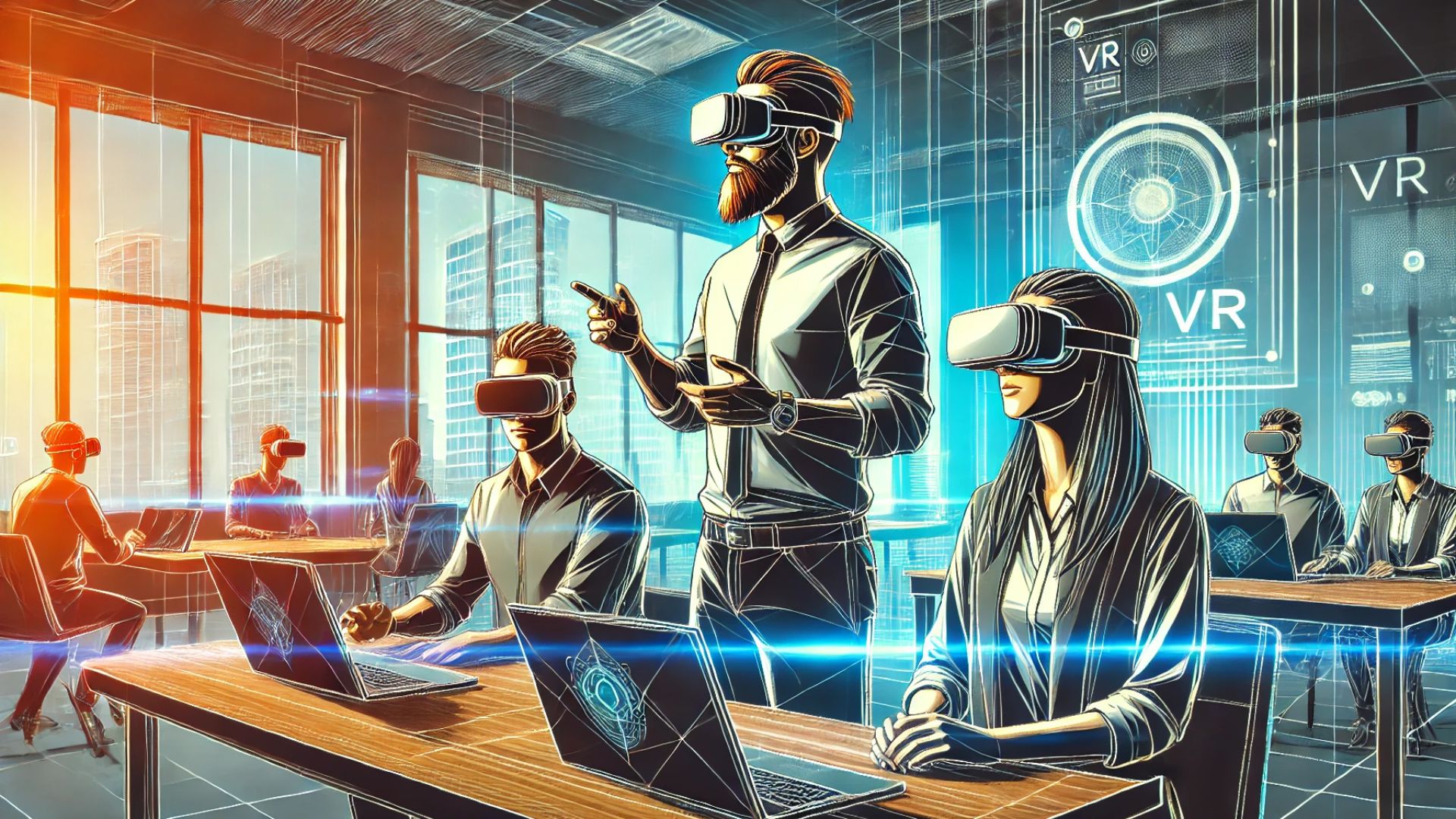
Virtual Events: Transforming the Way We Gather
The Transition to Virtual: The Digitalization of Events
The COVID-19 pandemic has accelerated the transition from physical to virtual events, underscoring the potential of VR to host large-scale gatherings effectively. Conferences, concerts, and even casual meetups swiftly migrated to virtual platforms as a means of ensuring continuity amidst global disruption. This shift not only enabled seamless adaptation during challenging times but also unlocked new possibilities for global participation and engagement. Virtual events in VR offer an immersive and interactive experience that often surpasses traditional online gatherings. Participants can navigate virtual environments, interact with 3D content, and engage with others using customizable avatars, creating a sense of presence and participation similar to in-person interactions. The spatial and interactive elements of VR enhance engagement by allowing attendees to move between sessions, network in virtual lounges, and explore virtual exhibitions—all within a shared digital space.
Moreover, virtual events in VR democratize access by eliminating geographical barriers and reducing costs associated with travel and accommodations. This accessibility promotes broader participation from diverse global audiences, facilitating knowledge exchange, collaboration, and networking opportunities on a scale previously unimaginable. As VR technology continues to evolve, virtual events are poised to become integral components of how organizations, communities, and individuals convene and connect across distances. By offering a compelling alternative to physical gatherings, VR enhances the resilience, inclusivity, and interactivity of events, paving the way for a future where virtual experiences complement and enrich traditional modes of interaction.
Advantages of Virtual Events: Accessibility and Engagement
Virtual events offer numerous advantages, notably increased accessibility and heightened engagement. Participants can join from any location globally, thereby overcoming geographical barriers and democratizing access to information and experiences. VR technology further enhances these events with interactive features like virtual networking lounges, real-time Q&A sessions, and collaborative workshops, fostering deeper engagement among attendees. These benefits not only make virtual events a practical alternative but also an appealing choice for organizers seeking to reach broader audiences and create impactful, interactive experiences for participants worldwide.
Successful Instances of Virtual Conferences and Meetups
Several successful virtual conferences and meetups, such as the Virtual Reality Developers Conference (VRDC) and the VR/AR Global Summit, have showcased the potential of VR events to deliver engaging and interactive experiences. These conferences leverage VR platforms to host keynote speeches, panel discussions, and networking sessions within immersive virtual environments.
Participants can navigate virtual spaces, interact with 3D content, and engage in real-time discussions, creating a dynamic and participatory event atmosphere. By harnessing the capabilities of VR technology, these events not only replicate but enhance the traditional conference experience, offering a rich and rewarding environment that fosters knowledge exchange, collaboration, and networking opportunities on a global scale.
Challenges and Opportunities in the Realm of Social VR
Navigating Technical Challenges: Ensuring a Smooth Experience
While Social VR brings numerous benefits, it also presents significant technical challenges that must be overcome to enhance user experience. Key challenges include optimizing graphics quality to maintain realism, minimizing latency to ensure smooth interaction, and ensuring reliable connectivity for seamless participation. Addressing these hurdles is essential for delivering a satisfying and immersive user experience. Fortunately, ongoing advancements in both hardware and software are steadily improving VR performance and accessibility, laying the groundwork for wider adoption and more compelling Social VR experiences in the future.
Addressing Social Challenges: Privacy, Security, and Etiquette in VR
As Social VR continues to evolve, it faces significant challenges related to privacy, security, and etiquette that must be effectively addressed. Safeguarding user data, ensuring secure transactions, and preventing harassment are paramount to creating a safe and respectful virtual environment. Establishing clear community guidelines and implementing robust security measures are essential steps in mitigating these risks and promoting a positive social experience. Protecting user privacy involves respecting data confidentiality and implementing stringent measures to secure personal information stored within VR platforms. This includes transparent data policies, secure authentication methods, and encryption protocols to safeguard sensitive data from unauthorized access or breaches.
Ensuring secure transactions within Social VR platforms is crucial for facilitating virtual commerce and transactions safely. Implementing secure payment gateways, encryption of financial transactions, and fraud detection mechanisms are vital in building user trust and confidence in conducting virtual transactions. Addressing issues of etiquette and behavior in Social VR requires promoting respectful interactions among users. Establishing and enforcing community standards that prohibit harassment, hate speech, or disruptive behavior fosters a welcoming and inclusive virtual community. Educating users about appropriate conduct and providing tools for reporting and addressing violations are essential in maintaining a positive social environment.
Future Directions: Anticipated Trends in the Evolving Realm of Social VR
The future of Social VR is brimming with promise, propelled by continuous technological innovations and growing user acceptance. Key trends on the horizon include the integration of artificial intelligence (AI) to enhance interactivity and tailor experiences to individual preferences, marking a significant leap in personalization within virtual environments. Advancements in haptic feedback systems promise to further enrich immersion by allowing users to feel and interact with virtual objects more realistically. Moreover, the expansion of VR applications beyond entertainment and socializing into domains like education and healthcare is poised to revolutionize these fields.
Virtual classrooms and training simulations offer immersive learning experiences, while VR-based therapies provide novel approaches for rehabilitation and mental health treatment. These developments not only broaden the scope of Social VR but also demonstrate its potential to impact various aspects of daily life. As these trends unfold, Social VR is expected to evolve into a versatile platform that facilitates meaningful connections, learning, and therapeutic interventions on a global scale. By leveraging AI, advanced haptics, and diverse applications, Social VR is poised to redefine how people interact, collaborate, and experience virtual worlds in the years to come.
Author: Gerald Ferreira
Backed by 25+ years of VR and AR innovation in Johannesburg, sharing practical insights on immersive tech, real-world applications, and industry news across South Africa.