
Artificial Intelligence Integration in Virtual Reality: Transforming Experiences Across Industries
Merging Intelligent Systems with Immersive Environments Artificial Intelligence (AI) and Virtual Reality (VR) are merging to create transformative...
Merging Intelligent Systems with Immersive Environments
Artificial Intelligence (AI) and Virtual Reality (VR) are merging to create transformative experiences across industries. This powerful combination is pushing the boundaries of what’s possible, enabling more immersive, intelligent, and personalized virtual environments. From enhancing user interactions to automating complex processes, the integration of AI into VR is revolutionizing fields such as healthcare, education, entertainment, and beyond. This exploration delves into the myriad ways AI is elevating VR, showcasing the innovations that are reshaping our digital and physical interactions.
Intelligent Environment Creation
Procedural Content Generation
Imagine stepping into a virtual world that dynamically evolves around you, with landscapes, structures, and narratives unfolding uniquely based on your interactions. Procedural content generation powered by AI makes this a reality by autonomously creating vast and diverse environments without manual input. This technology uses algorithms to generate complex scenes, ensuring that each experience is fresh and tailored to the user’s actions and preferences.
By leveraging machine learning models, procedural content generation can analyze user behavior to predict and construct environments that enhance engagement and immersion. For instance, in a virtual training simulation, the terrain can adapt to present increasingly challenging scenarios as the user’s skills improve. This adaptability not only keeps the experience interesting but also ensures that it remains relevant and beneficial for the user’s specific needs.
Adaptive Storytelling and Narrative Development
Storytelling in VR becomes profoundly interactive when AI is involved, allowing narratives to adapt in real-time to user decisions and actions. Imagine participating in a virtual adventure where the storyline shifts based on your choices, creating a personalized narrative journey. AI-driven adaptive storytelling algorithms analyze user behavior and preferences to dynamically alter plotlines, character interactions, and outcomes, ensuring a unique and engaging experience for each individual.
This level of personalization transforms traditional storytelling by making it more responsive and immersive. In educational VR applications, for example, adaptive narratives can adjust the complexity and pacing of the content based on the learner’s progress, fostering a more effective and engaging learning environment. Similarly, in entertainment, it allows for deeply personalized experiences that resonate more profoundly with users, enhancing both enjoyment and emotional connection.
Smart Environment Interactions
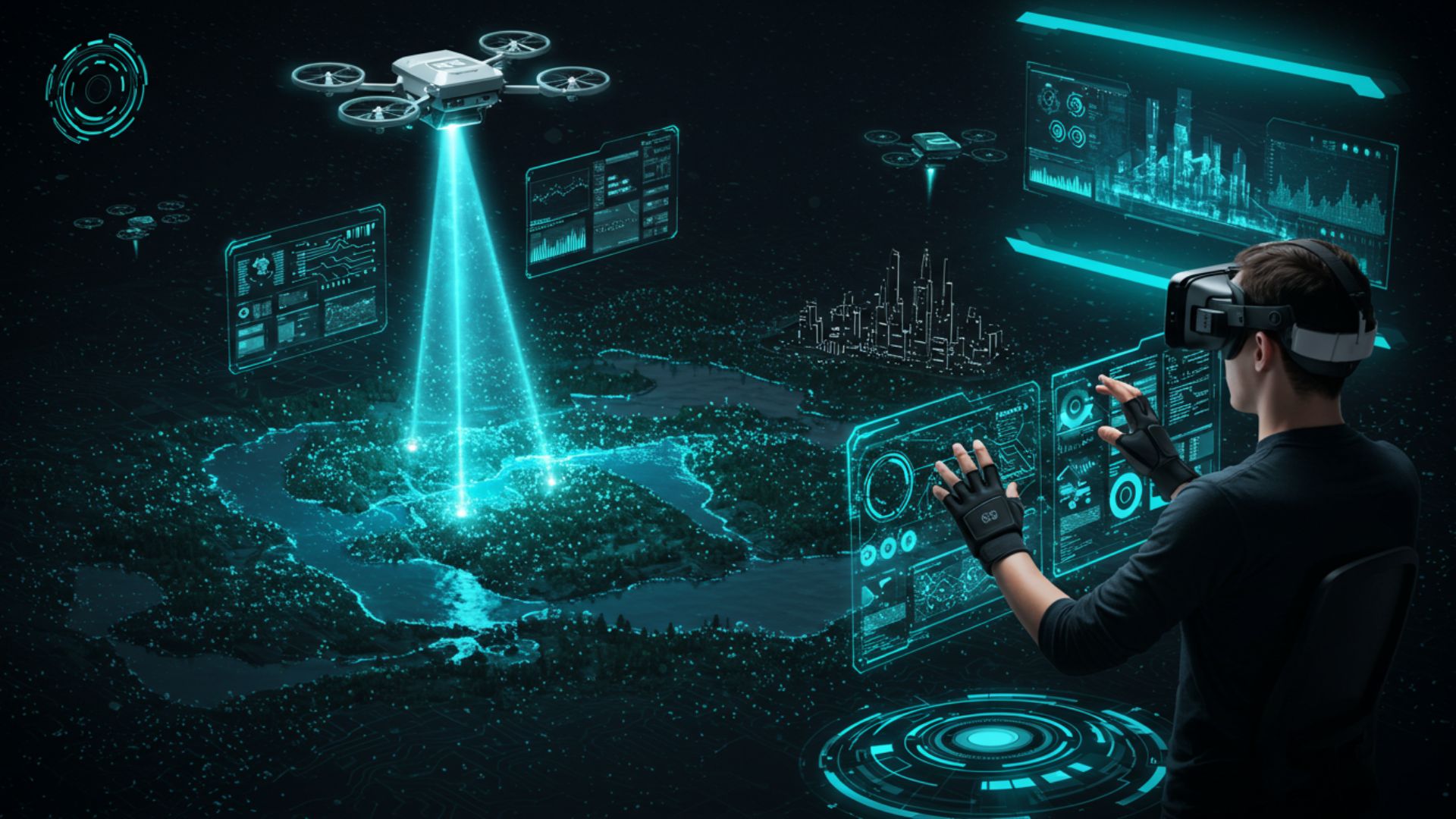
Envision a virtual workspace where every element responds intelligently to your presence and actions, creating a seamless and intuitive interaction experience. Smart environment interactions, powered by AI, enable virtual spaces to recognize and respond to user inputs in a natural and meaningful way. This includes everything from interactive objects that behave realistically to environments that adjust lighting, temperature, and layout based on user preferences and activities.
AI algorithms process real-time data from user interactions to anticipate needs and automate adjustments, enhancing efficiency and comfort within the virtual space. For instance, in a virtual office, AI can manage virtual lighting and temperature based on the time of day and user activity, or adjust the arrangement of virtual furniture to optimize workspace ergonomics. These intelligent interactions make virtual environments more user-friendly and adaptable, fostering a more productive and enjoyable experience.
Enhanced User Interactions
Natural Language Processing for Communication
Imagine engaging in conversations within a virtual world where every character understands and responds to your speech just like a real person. Natural Language Processing (NLP) enables this level of interaction by allowing AI to comprehend and generate human language, facilitating seamless and intuitive communication between users and virtual entities. This technology supports real-time translation, sentiment analysis, and contextual understanding, making interactions more meaningful and effective.
In VR applications, NLP can power virtual assistants that guide users through complex tasks, provide information, or offer companionship. For example, in a virtual museum, an AI-powered guide can answer questions, provide detailed explanations, and engage in interactive dialogues with visitors, enhancing the educational experience. Similarly, in gaming, NPCs with advanced language capabilities can create more immersive and responsive storylines, deepening player engagement.
Gesture and Emotion Recognition
Picture a virtual environment that not only sees your gestures but also understands your emotions, responding appropriately to create a more empathetic and engaging experience. Gesture and emotion recognition technologies leverage AI to interpret users’ physical movements and emotional states, enabling more nuanced and effective interactions within VR. These systems use computer vision and affective computing to analyze facial expressions, body language, and physiological signals, providing real-time feedback and responses.
In therapeutic VR applications, emotion recognition can help tailor experiences to the user’s emotional state, offering calming environments for stress relief or stimulating scenarios for cognitive training. In social VR platforms, gesture recognition enhances communication by allowing users to express themselves more naturally, fostering a sense of presence and connection. These advancements make virtual interactions more human-like and emotionally resonant, bridging the gap between digital and physical experiences.
Personalized Avatars and User Representation
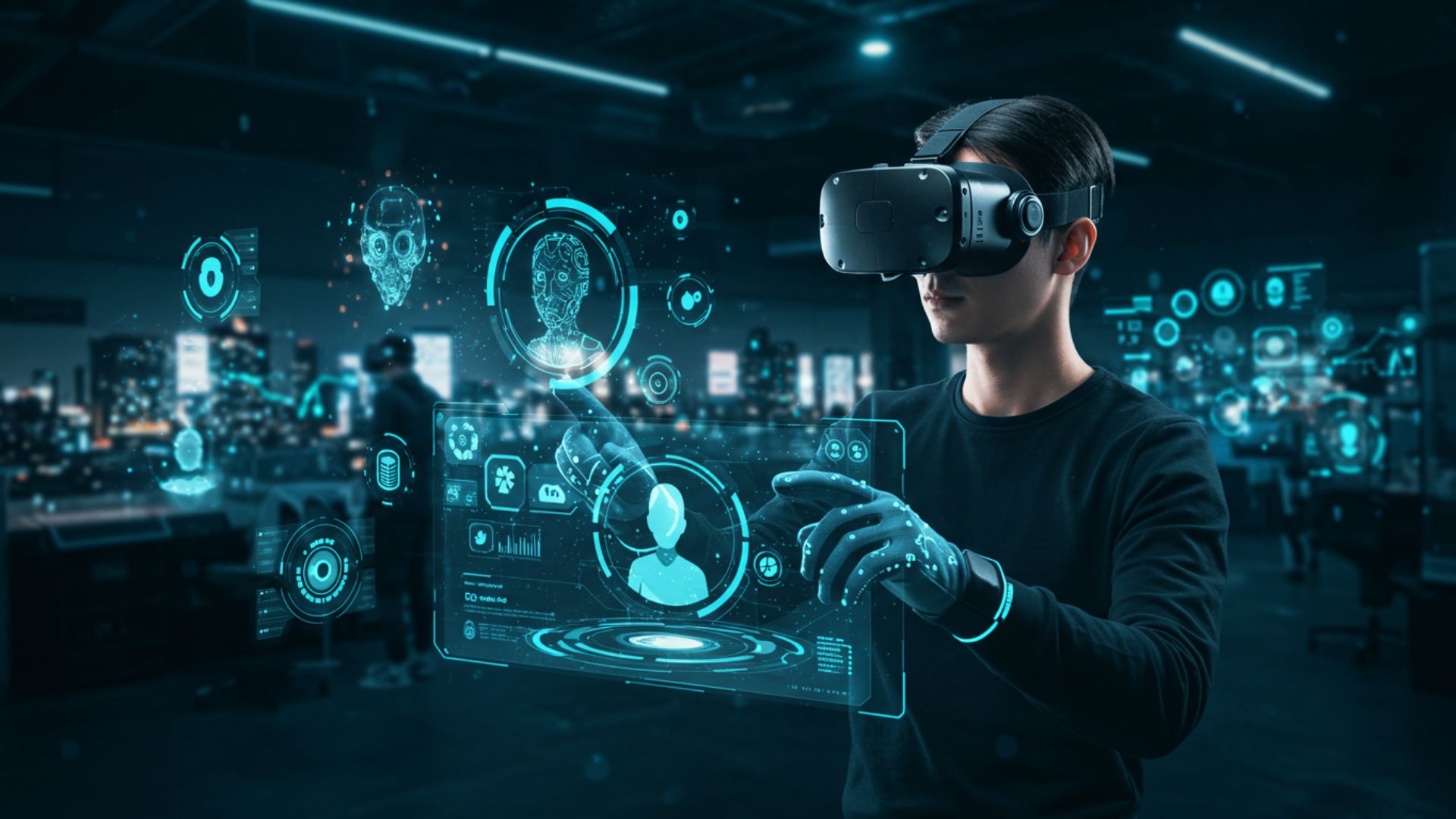
Imagine having an avatar in VR that not only looks like you but also adapts its appearance and behavior based on your preferences and interactions. Personalized avatars, driven by AI, offer users the ability to customize their virtual representations in highly detailed and dynamic ways. AI algorithms analyze user data to suggest personalized features, styles, and behaviors, creating avatars that reflect individual identities and preferences.
These intelligent avatars can also adapt in real-time, changing appearance or behavior based on context and user interactions. For instance, an avatar in a professional VR setting might adopt a more formal appearance and demeanor, while in a social setting, it could be more relaxed and expressive. This level of personalization enhances user satisfaction and engagement, making virtual interactions more authentic and aligned with personal identities.
Automation and Efficiency Enhancements
AI-Driven Content Moderation and Management
Managing vast amounts of user-generated content in VR environments can be challenging, but AI-driven content moderation and management systems offer efficient solutions. These systems use machine learning algorithms to automatically detect and manage inappropriate content, ensuring that virtual spaces remain safe and welcoming for all users. AI can analyze text, images, and behaviors in real-time, identifying and addressing violations of community guidelines with minimal latency.
In educational and professional VR settings, AI-driven moderation ensures that interactions remain respectful and constructive, fostering a positive learning and working environment. Additionally, automated content management tools can organize and categorize user-generated content, making it easier to access and navigate. This automation not only enhances security and compliance but also improves overall user experience by maintaining order and relevance within virtual spaces.
Predictive Analytics for User Engagement
Imagine a VR platform that anticipates your needs and preferences, offering personalized recommendations and experiences before you even realize you want them. Predictive analytics, powered by AI, analyze user behavior and data to forecast future actions and preferences, enabling proactive enhancements to user engagement. By identifying patterns and trends in how users interact with VR environments, AI can tailor content, suggest activities, and optimize experiences to better meet individual needs.
In retail VR applications, predictive analytics can recommend products based on browsing history and preferences, enhancing the shopping experience. In gaming, it can adjust difficulty levels and introduce new challenges tailored to the player’s skill progression. These insights allow for more personalized and engaging experiences, increasing user satisfaction and loyalty by making virtual interactions more relevant and enjoyable.
Automated Workflow and Task Management
Consider a virtual workspace where routine tasks are handled automatically, allowing you to focus on more creative and strategic activities. AI integration in VR facilitates automated workflow and task management, streamlining operations and enhancing productivity. AI-powered systems can handle scheduling, data analysis, and resource allocation within virtual environments, reducing the burden of administrative tasks and minimizing the potential for human error.
In professional VR settings, automated task management can coordinate team activities, manage project timelines, and monitor progress, ensuring that workflows remain efficient and organized. Additionally, AI can assist in data visualization and decision-making processes, providing real-time insights and recommendations based on comprehensive data analysis. This automation not only boosts efficiency but also empowers users to concentrate on high-value tasks, fostering innovation and effectiveness within virtual workspaces.

Advanced Personalization and Adaptability
Dynamic Learning Environments
Imagine an educational VR platform that adjusts its teaching methods in real-time based on your learning style and progress. Dynamic learning environments, enhanced by AI, tailor educational content and teaching strategies to individual learners, ensuring that each student receives a personalized and effective learning experience. AI algorithms assess user performance, preferences, and engagement levels to modify lesson plans, interactive elements, and difficulty levels accordingly.
In virtual classrooms, this adaptability allows for differentiated instruction, catering to diverse learning needs and paces. Students can engage with interactive simulations, receive instant feedback, and explore subjects in ways that resonate with their unique strengths and interests. This personalized approach not only improves comprehension and retention but also fosters a more engaging and motivating educational environment, empowering learners to achieve their full potential.
Adaptive Gaming Experiences
Envision a virtual game that evolves based on your playing style, preferences, and skill level, offering a uniquely tailored gaming experience every time you play. Adaptive gaming experiences, driven by AI, adjust game mechanics, narratives, and challenges in real-time to align with the player’s behavior and preferences. This ensures that each gaming session remains engaging, challenging, and enjoyable, preventing stagnation and maintaining player interest.
AI can analyze player actions to customize difficulty levels, introduce new storylines, and modify game environments, creating a dynamic and responsive gaming experience. This personalization not only enhances enjoyment but also encourages longer and more frequent engagement by keeping the experience fresh and aligned with the player’s evolving interests and skills. Adaptive gaming thus fosters a deeper connection between the player and the virtual world, enhancing overall satisfaction and immersion.
Tailored Health and Wellness Programs
Imagine a virtual health and wellness platform that designs personalized exercise routines and mindfulness practices based on your fitness levels and mental state. AI-driven personalization in health and wellness VR applications ensures that users receive customized programs that cater to their specific needs and goals. By analyzing data such as physical performance, biometric indicators, and user feedback, AI can create and adjust wellness plans to maximize effectiveness and user engagement.
In virtual fitness environments, personalized training programs can adapt in real-time to the user’s progress, providing the right level of challenge and support to achieve fitness goals. Similarly, in mental wellness applications, AI can tailor mindfulness and relaxation exercises based on the user’s current emotional state, enhancing the effectiveness of stress reduction techniques. This level of personalization promotes sustained engagement and better outcomes, making virtual health and wellness programs more effective and appealing.
Frequently Asked Questions
How does AI enhance the realism of virtual environments in VR?
AI enhances the realism of virtual environments by enabling dynamic content generation, intelligent NPC behaviors, and responsive environmental interactions. Machine learning algorithms can create lifelike landscapes, simulate realistic weather patterns, and ensure that virtual elements respond naturally to user actions. Additionally, AI-driven physics and rendering techniques contribute to more accurate and immersive visual and interactive experiences, making virtual worlds indistinguishable from reality.
What are the key benefits of integrating AI into VR for educational purposes?
Integrating AI into VR for educational purposes offers personalized learning experiences, adaptive content delivery, and interactive simulations that cater to individual student needs. AI can assess student performance in real-time, adjusting the difficulty and pacing of lessons to optimize understanding and retention. Additionally, AI-powered virtual tutors and interactive environments foster engagement and collaboration, enhancing the overall effectiveness and accessibility of educational programs.
Can AI integration in VR improve user accessibility and inclusivity?
Yes, AI integration in VR can significantly improve user accessibility and inclusivity by providing personalized experiences tailored to individual needs. AI can enable adaptive interfaces, real-time translation, and assistive technologies that accommodate diverse abilities and preferences. For example, AI-driven voice recognition and gesture controls make VR more accessible to users with physical disabilities, while personalized content recommendations ensure that virtual experiences are relevant and engaging for a broader audience.
What industries are most likely to benefit from AI-enhanced VR technologies?
Industries such as healthcare, education, entertainment, manufacturing, and real estate are among the most likely to benefit from AI-enhanced VR technologies. In healthcare, AI-driven VR can support surgical training and patient rehabilitation. In education, it offers personalized and interactive learning environments. The entertainment industry leverages AI for more immersive gaming and storytelling experiences. Manufacturing utilizes AI-enhanced VR for design simulations and training, while real estate benefits from intelligent virtual property tours and client interactions.
What are the potential challenges of integrating AI with VR, and how can they be addressed?
Potential challenges of integrating AI with VR include high development costs, the need for extensive computational resources, data privacy concerns, and ensuring seamless user experiences. To address these challenges, developers can leverage cloud computing and edge computing to manage computational demands, implement robust data security measures to protect user information, and focus on optimizing AI algorithms for efficiency. Additionally, fostering interdisciplinary collaboration and investing in research and development can help overcome technical hurdles and drive innovation in AI-enhanced VR technologies.
Author: Gerald Ferreira
Backed by 25+ years of VR and AR innovation in Johannesburg, sharing practical insights on immersive tech, real-world applications, and industry news across South Africa.