Introduction: The Evolving Landscape of VR Headsets
the Pico 4S: A New Contender in the VR Space In the wake of the Vision Pro’s impressive debut, another contender is poised to enter the fray: the...
the Pico 4S: A New Contender in the VR Space
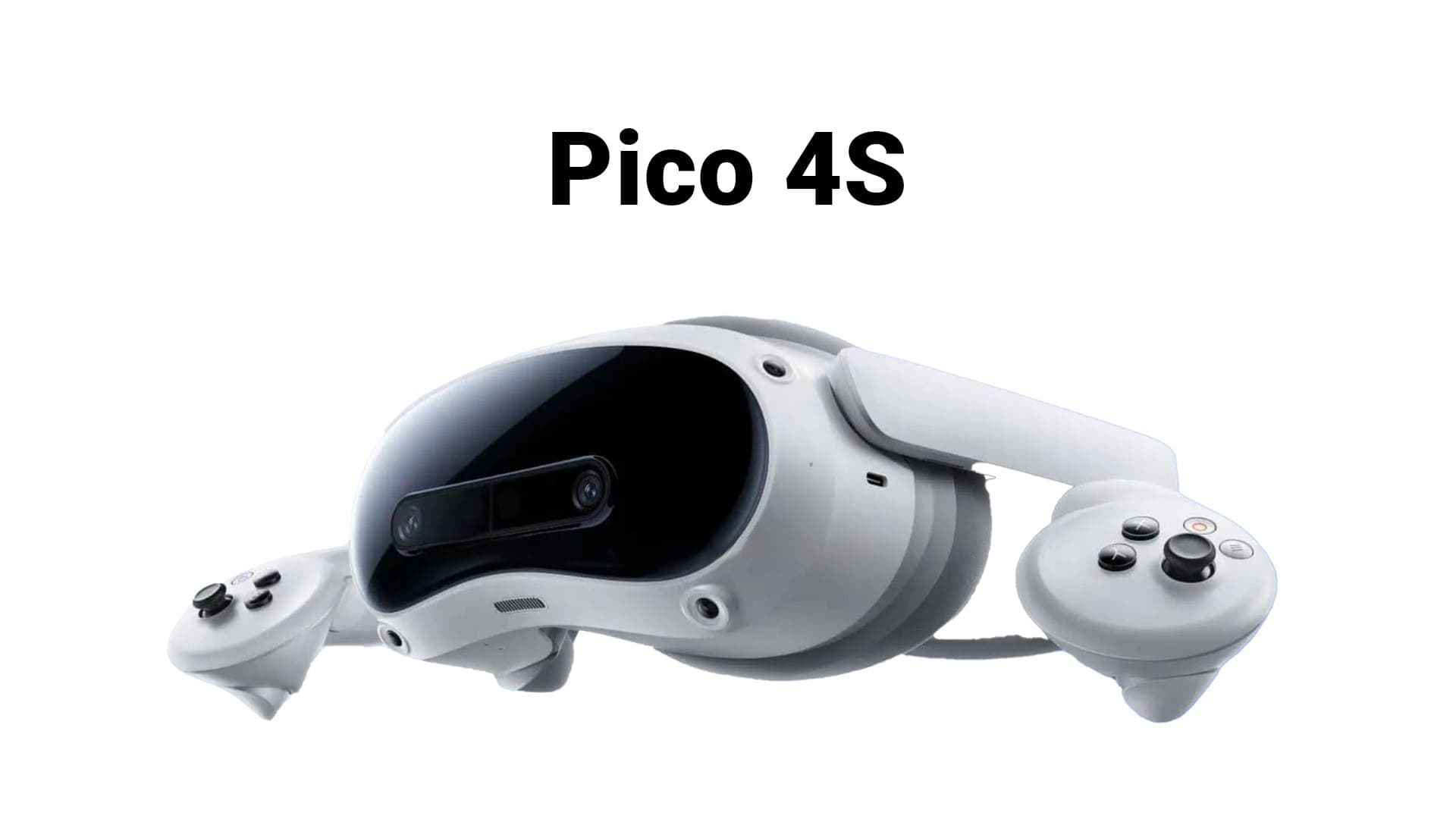
In the wake of the Vision Pro’s impressive debut, another contender is poised to enter the fray: the Pico 4S. This new iteration of the Pico 4, also known as the Pico 4 Ultra in certain markets, promises to shake up the VR landscape with its enhanced features and performance upgrades. Leaked information and certifications hint at substantial improvements over its predecessor, including a more powerful chipset and advanced mixed-reality capabilities. The Pico 4S is not just another VR headset but a serious competitor aiming to challenge the dominance of Meta’s offerings. As the VR market continues to evolve, the Pico 4S could play a pivotal role in redefining the standards for VR hardware.
The Evolution of Pico 4S: Specs and Leaked Improvements
Snapdragon XR2 Gen 2 Chipset: What It Means for Performance
At the heart of the Pico 4S lies the Snapdragon XR2 Gen 2 chipset, an upgrade that promises to deliver a significant leap in performance. This next-gen processor is designed specifically for augmented and virtual reality, offering superior computational power and graphics rendering capabilities. With enhanced processing speed and efficiency, the XR2 Gen 2 chipset enables more complex and immersive VR experiences. It supports advanced features such as higher resolution displays and smoother interactions, positioning the Pico 4S as a formidable rival to the Meta Quest 3. The performance boost provided by this chipset could set the Pico 4S apart in a highly competitive market.
Enhanced RAM and Mixed-Reality Pass-Through: Key Upgrades
The Pico 4S is expected to feature 12GB of RAM, a notable increase from the 8GB found in the Meta Quest 3. This additional memory enhances the headset's ability to handle multiple tasks simultaneously, providing a more seamless and responsive user experience. Coupled with this is an improved mixed-reality pass-through system, featuring two new front-facing cameras. These upgrades are designed to offer a more immersive and realistic augmented reality experience, with better depth perception and clarity. This advancement is crucial for applications that blend virtual elements with the real world, potentially setting the Pico 4S apart from its competitors.
Comparing Controllers: The Shift from Quest 3's Design
New Design Features: From Tracking Rings to Wrist Straps
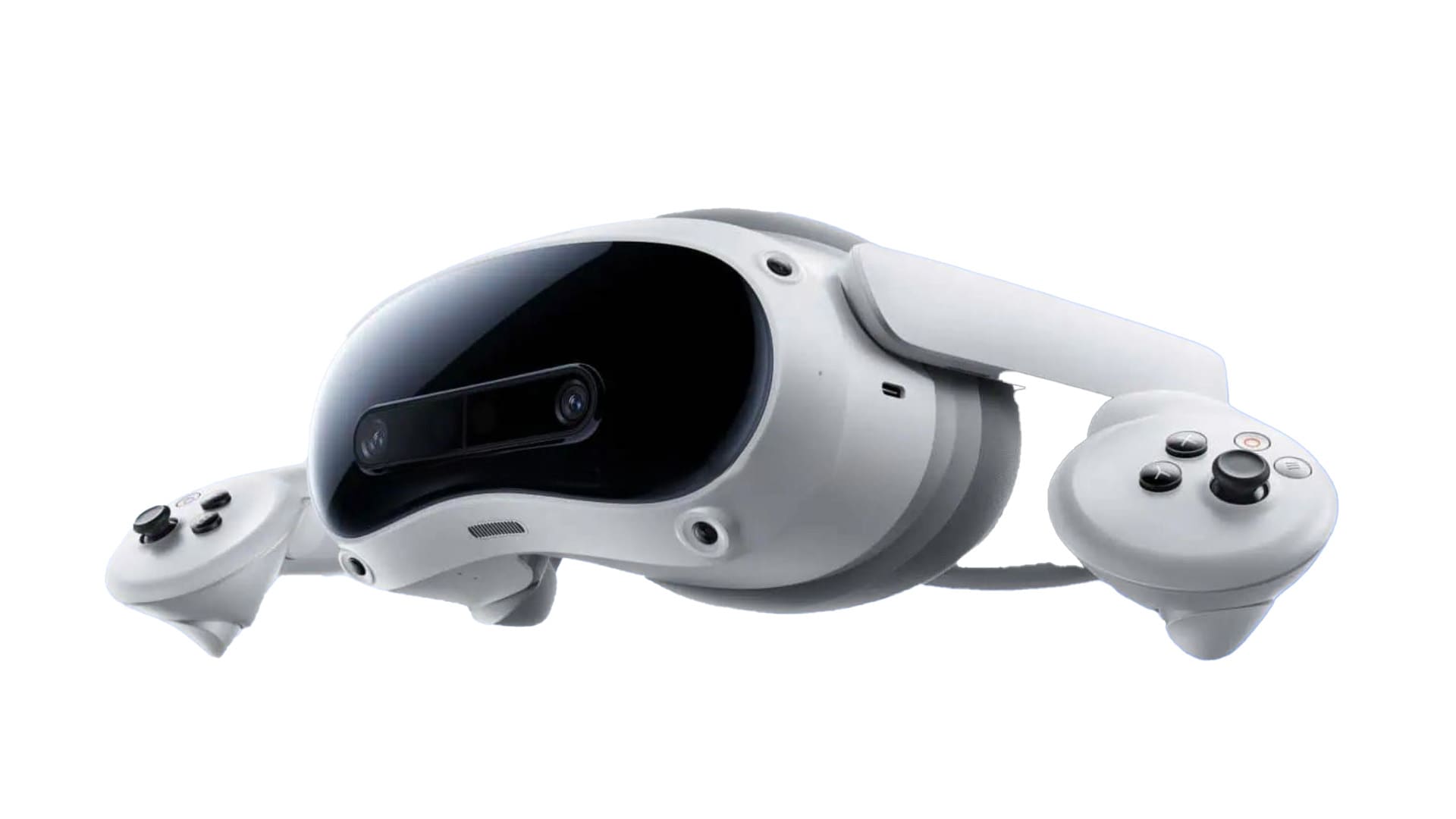
One of the most noticeable changes in the Pico 4S is the redesigned controllers. Unlike the Meta Quest 3, which features distinctive tracking rings, the Pico 4S controllers adopt a sleek, ring-less design. This shift not only enhances the aesthetic appeal but also potentially improves comfort and usability. The inclusion of wrist straps with removable sensors is a novel feature, which might offer additional functionality beyond traditional hand tracking. These sensors could provide more precise input tracking and could even support innovative applications such as foot tracking, expanding the possibilities for immersive interaction in virtual environments.
Potential Uses for New Sensors: Hand and Foot Tracking
The new wrist straps equipped with removable sensors present exciting possibilities for advanced tracking capabilities. Hand tracking in VR has already seen significant development, but the addition of these sensors could further refine accuracy and responsiveness. Moreover, the potential use of these sensors for foot tracking introduces a new dimension to VR interaction. This could enhance experiences that require full-body movements, providing a more comprehensive and immersive gameplay experience. However, the full potential of these sensors will only be realized once the Pico 4S is officially released and tested in real-world scenarios.
The Pricing and Release Timeline: What We Know So Far
Expected Pricing for Pico 4S: How It Compares to Meta Quest 3
The anticipated pricing for the Pico 4S positions it as a premium option within the VR market. With estimates suggesting a price point of approximately $499.99 / £479.99 / AU$799.99, the Pico 4S is set to be priced higher than both the Meta Quest 3 and its predecessor, the Pico 4. This pricing reflects the device's advanced specifications and enhanced features, positioning it as a high-end choice for VR enthusiasts.
The increased cost may be attributed to upgraded components, improved performance, and new technological innovations that the Pico 4S is expected to offer. For those willing to invest in the latest VR technology, the Pico 4S promises to deliver a cutting-edge experience that could justify the higher price tag.
Release Date Predictions: When Can We Expect to See the Pico 4S?
While the exact release date for the Pico 4S has yet to be confirmed, industry predictions suggest that it may become available towards the end of this year or early in 2025. The timeline for the release is contingent on several factors, including the final stages of production and any necessary adjustments based on ongoing testing and feedback.
The development process for new technology often involves a range of variables that can impact the release schedule, so the anticipated date may shift. Nonetheless, the excitement surrounding the Pico 4S indicates that it is poised to make a significant impact on the VR market. To stay updated on the most accurate release information, monitoring official announcements and news from the manufacturer will be essential.
Software and Ecosystem: The Crucial Factor for Success
Meta Quest 3's Strength: Horizon OS and Its Advantages
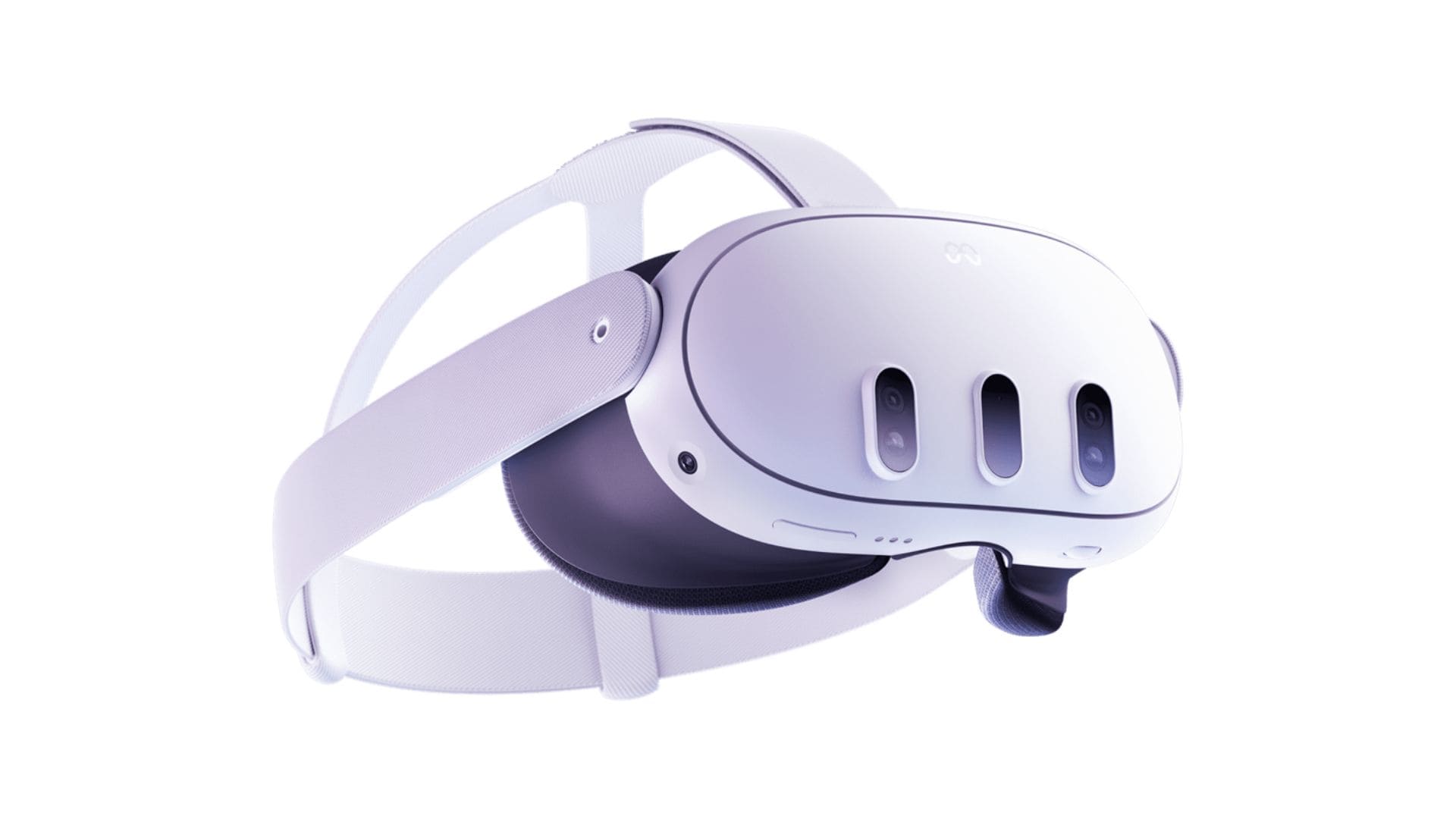
Horizon OS, the operating system powering the Meta Quest 3, stands out as a significant strength of Meta’s VR ecosystem. It provides a comprehensive and versatile platform for a wide range of applications, from engaging games to advanced productivity tools and mixed reality experiences. One of the key advantages of Horizon OS is its extensive library of content, which includes a diverse selection of apps and experiences tailored to various interests and needs. This rich content library not only enhances the VR experience but also ensures that users have access to a broad array of options for both entertainment and productivity. The seamless integration of Horizon OS with Meta Quest 3's hardware delivers a smooth and immersive user experience, setting a high standard for VR platforms and offering a competitive edge over other headsets in the market.
The Current State of Pico’s OS and Software Library
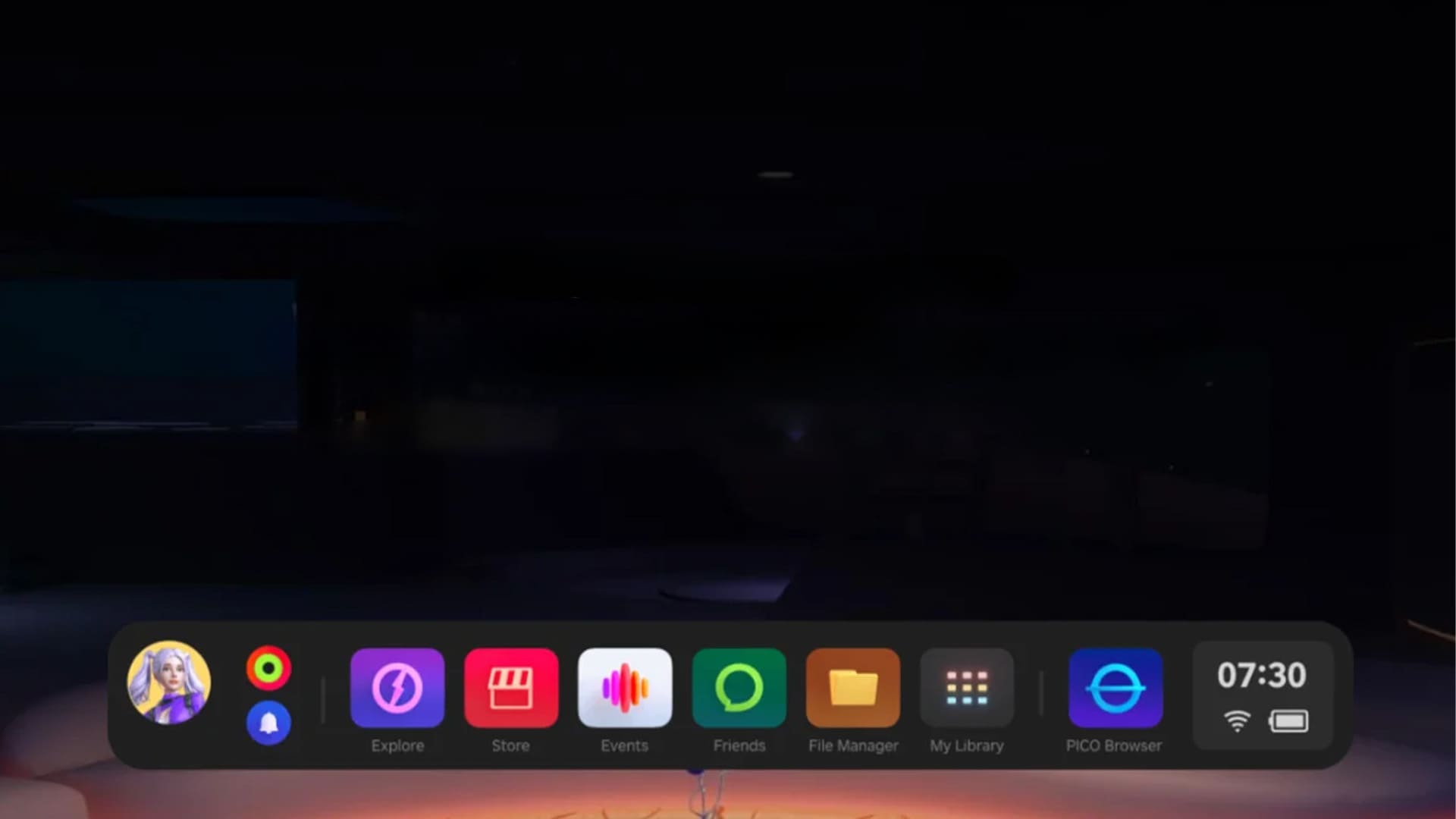
Despite the impressive hardware advancements of the Pico 4S, its success will heavily depend on the strength and breadth of its software ecosystem. Currently, Pico’s operating system and software library face challenges compared to Meta's Horizon OS. Pico’s OS needs to expand its content offerings and improve its platform capabilities to compete effectively.
This involves not only increasing the number of available titles and applications but also securing popular and high-quality content that rivals those available on other VR systems. Additionally, developing exclusive content can help attract and retain users by offering unique experiences not found on competing platforms. For the Pico 4S to effectively challenge Meta’s dominance, it must address these software gaps and build a more engaging and comprehensive software ecosystem
The Importance of a Strong Software Ecosystem: Lessons from PSVR 2
The PlayStation VR 2 serves as a cautionary tale of how hardware excellence alone cannot ensure success. Despite its advanced technology, the PSVR 2 has struggled with a limited software library and content that does not fully capitalize on its capabilities. This situation underscores the importance of a strong software ecosystem for any new VR headset. For the Pico 4S to stand out, it must not only match the hardware performance of its competitors but also offer a compelling array of applications and games. A robust and diverse software library is crucial for achieving long-term success and user satisfaction in the VR market.
Can the Pico 4S Surpass Meta Quest 3?
The Pico 4S: A Promising Challenge to the Meta Quest 3
The Pico 4S emerges as a noteworthy contender to the Meta Quest 3, boasting advanced hardware features such as the Snapdragon XR2 Gen 2 chipset and enhanced RAM. These upgrades promise improved performance and a more fluid VR experience. Additionally, the redesigned controllers and potential for advanced tracking capabilities add an extra layer of intrigue and functionality. Despite these hardware advancements, the Pico 4S’s success will depend on more than just its technical specifications.
The Meta Quest 3's strength lies in its Horizon OS and extensive software library, which set a high benchmark for VR headsets. For the Pico 4S to truly challenge the Quest 3, it must not only match its hardware performance but also deliver a compelling and diverse software ecosystem. Meeting these criteria will be crucial for the Pico 4S to establish itself as a leading competitor in the VR market.
Will the Pico 4S Be a True Meta Rival?
The Pico 4S holds significant promise as a rival to the Meta Quest 3, particularly with its upgraded hardware and innovative features. However, the true test of its competitiveness will hinge on its software experience. To rival the Meta Quest 3 effectively, the Pico 4S needs to address existing gaps in its software library and offer a rich selection of content that appeals to a broad audience. Achieving this will require not only securing popular and high-quality titles but also developing unique content that differentiates it from competitors.
If the Pico 4S can successfully bridge the gap between its impressive hardware and a robust software offering, it has the potential to challenge Meta’s dominance in the VR space. The coming months will be crucial in determining whether the Pico 4S can translate its technological advancements into a competitive and successful product in the ever-evolving VR landscape.
The Future of VR Competition and Innovation
As the VR market continues to evolve, the competition between major players like Meta and Pico will drive further innovation. Advances in hardware and software will shape the next generation of VR experiences, pushing the boundaries of what is possible. The future of VR holds exciting possibilities, with new technologies and improvements constantly emerging. Watching how these developments unfold will be crucial for understanding the trajectory of VR and the roles that different players will carve out in this dynamic and rapidly evolving field.
Author: Gerald Ferreira
Backed by 25+ years of VR and AR innovation in Johannesburg, sharing practical insights on immersive tech, real-world applications, and industry news across South Africa.